
Unlocking the Science of Fall Colors in Michigan’s Upper Peninsula

When the air becomes crisp, and the leaves start to turn vibrant shades of red, orange, and gold, you know that autumn has arrived. Nowhere is this seasonal transformation more breathtaking than in the Upper Peninsula of Michigan. In this blog post, we’ll delve into the science behind the peak fall colors in the western Upper Peninsula, particularly in Ironwood, Michigan, and explore how weather, drought, and proximity to Lake Superior influence this awe-inspiring phenomenon.
Understanding the Science of Fall Colors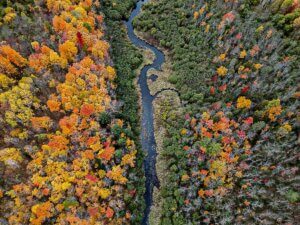
The stunning transformation of leaves during the fall is primarily driven by a combination of factors: the decreasing daylight hours and cooler temperatures. Let’s break down this process:
- Photosynthesis and Chlorophyll: During the spring and summer, leaves are green due to chlorophyll, a pigment critical for photosynthesis. This process enables trees to convert sunlight into energy. As daylight hours decrease in the fall, trees receive signals to prepare for winter.
- The Colorful Pigments: Behind the scenes, trees also contain other pigments, such as carotenoids (responsible for orange and yellow hues) and anthocyanins (responsible for red and purple hues). As chlorophyll production slows down and eventually ceases, these pigments become more visible, leading to the vibrant fall colors.
The Role of Weather in Fall Colors
Weather plays a pivotal role in determining the intensity and timing of fall foliage. Here’s how:
- Temperature: Cooler temperatures in the fall trigger the breakdown of chlorophyll, allowing other pigments to shine through. Consistent, mild temperatures can lead to a more extended and colorful fall display.
- Sunlight: Adequate sunlight is essential for the production of vibrant red and purple hues. Cloudy or rainy weather can delay or diminish these colors.
- Drought Conditions: Prolonged drought can stress trees, causing leaves to drop prematurely or leading to less vibrant colors. Adequate rainfall throughout the year is vital for a spectacular fall show.
Peak Fall Colors in Ironwood, Michigan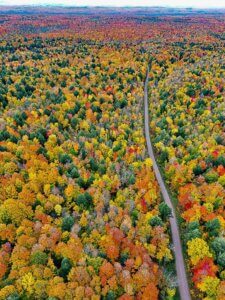
In Ironwood, Michigan, nestled in the western Upper Peninsula, the most likely week for peak fall colors typically falls within the last week of September or the first week of October. Several factors contribute to this timing:
- Latitude and Altitude: Ironwood’s location in the Upper Peninsula means it experiences shorter daylight hours and cooler temperatures earlier in the season compared to southern regions, expediting the onset of fall colors.
- Proximity to Lake Superior: Lake Superior’s moderating effect on temperature can delay the arrival of fall colors along its shores. The lake remains relatively warm into the autumn, delaying the cooling effect on nearby land.
- Variety of Tree Species: Ironwood’s diverse mix of tree species, including maples, oaks, and birches, adds to the kaleidoscope of fall colors. Different trees change color at different rates, enhancing the overall display.
The Magic of Fall Colors Awaits
As autumn approaches, the western Upper Peninsula of Michigan, particularly Ironwood, transforms into a picturesque canvas of reds, oranges, and golds. Understanding the science behind this natural spectacle, influenced by weather, drought, and proximity to Lake Superior, enhances our appreciation of the magic of fall colors. So, mark your calendars for the last week of September or the first week of October, and prepare to be captivated by Mother Nature’s breathtaking display.
For all the best place to see fall colors in the Ironwood area see here: https://travelironwood.com/fall-colors/